About Music Therapy

Understanding how music therapy supports growth, communication, and well-being.

"Music can heal. It can do more than that. It can throw a lifeline to those who can't be reached any other way."

- Paul McCartney
Child playing guitar in music therapy session

What is Music Therapy?

Music therapy is a discipline in which Certified Music Therapists (MTAs) use music purposefully within therapeutic relationships to support development, health, and well-being. Music therapists use music safely and ethically to address human needs within cognitive, communicative, emotional, musical, physical, social, and spiritual domains.

Canadian Association of Music Therapists

September 2020
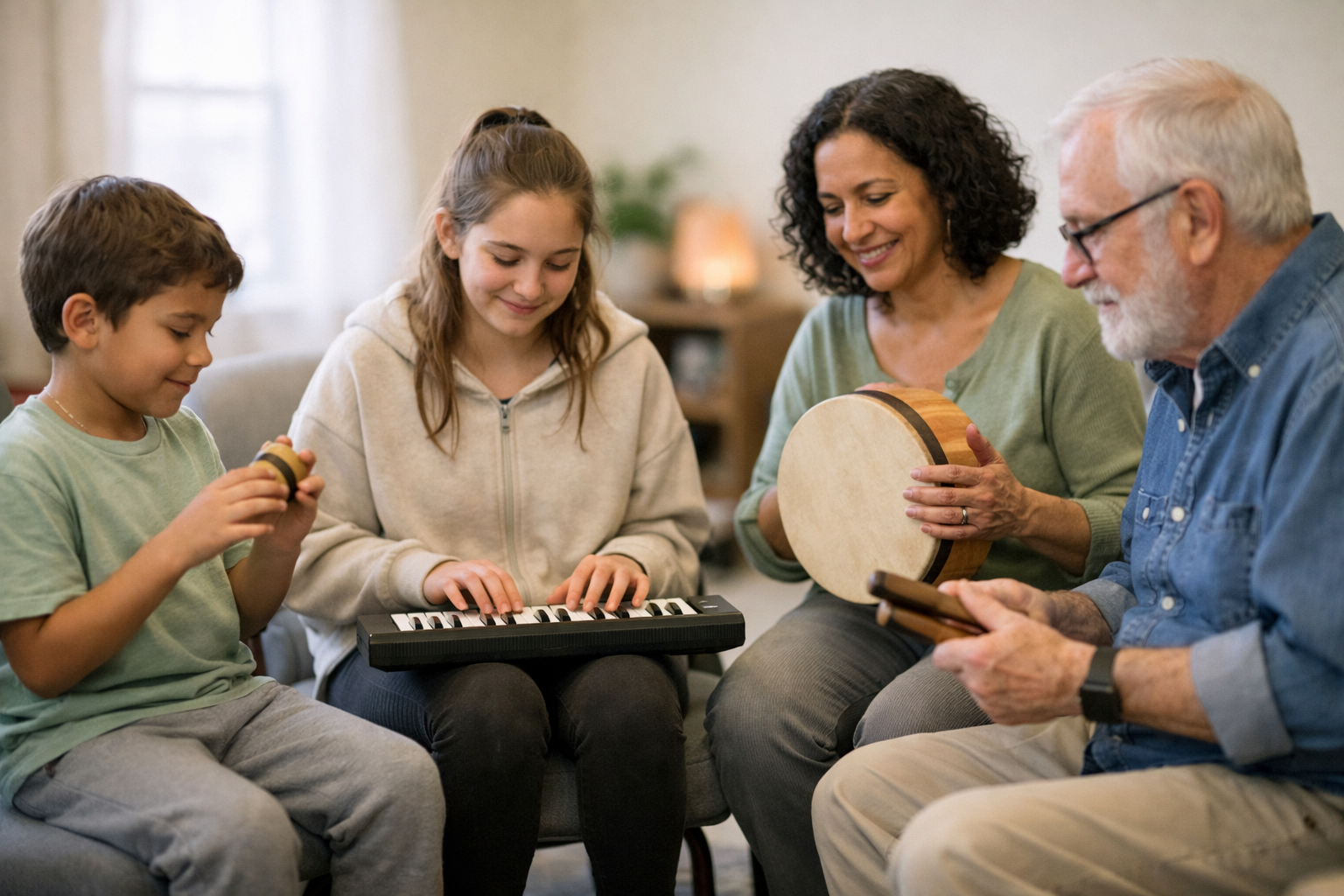
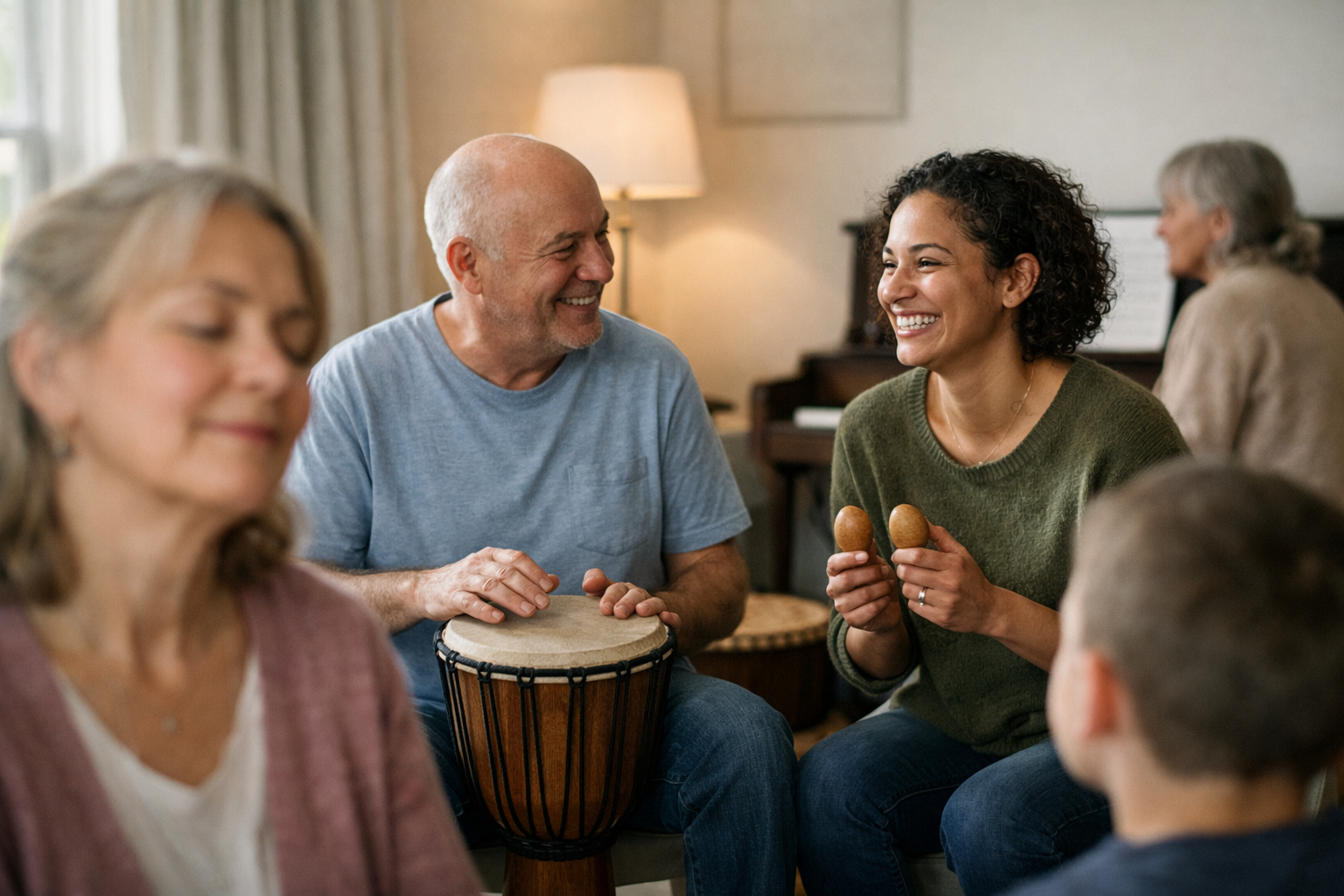
Group of people benefiting from music therapy

Who Can Benefit from Music Therapy?

Everyone!! Children, adolescents, adults, and seniors can benefit from Music Therapy in either a group or individual setting. A Music Therapist designs programs to meet the needs of the clients and to address specific goal areas.

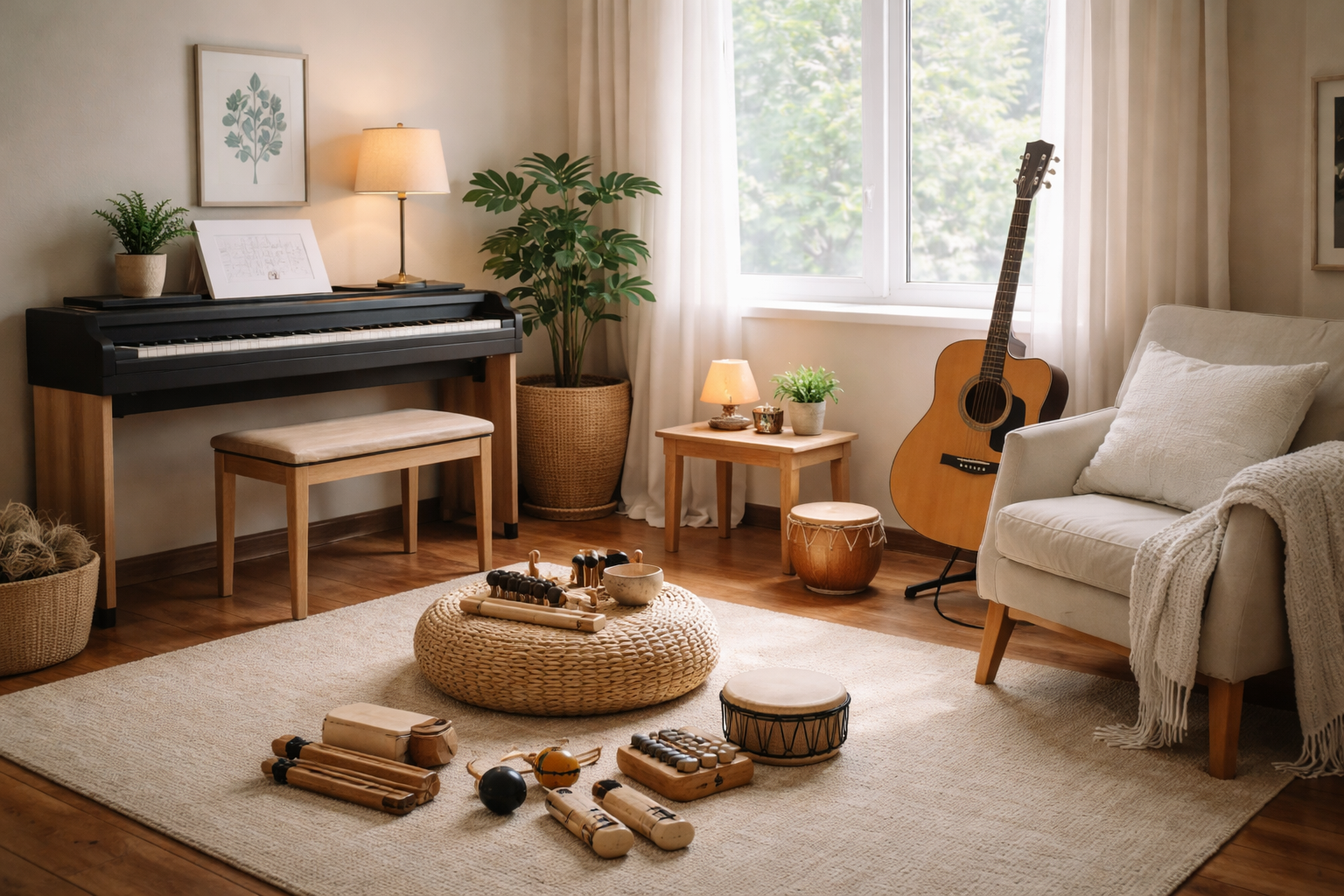
Room with musical instruments used in music therapy sessions

Common Goals of Music Therapy

  • Emotional expression and regulation
  • Social skills development
  • Cognitive improvement
  • Physical rehabilitation
  • Pain management and relaxation
  • Enhancing quality of life
Elderly gentleman playing piano in music therapy session with therapist

Benefits for Family/Caregiver

  • Music therapy interventions can teach family members/caregivers alternative ways to interact, socialize and communicate with their loved ones.
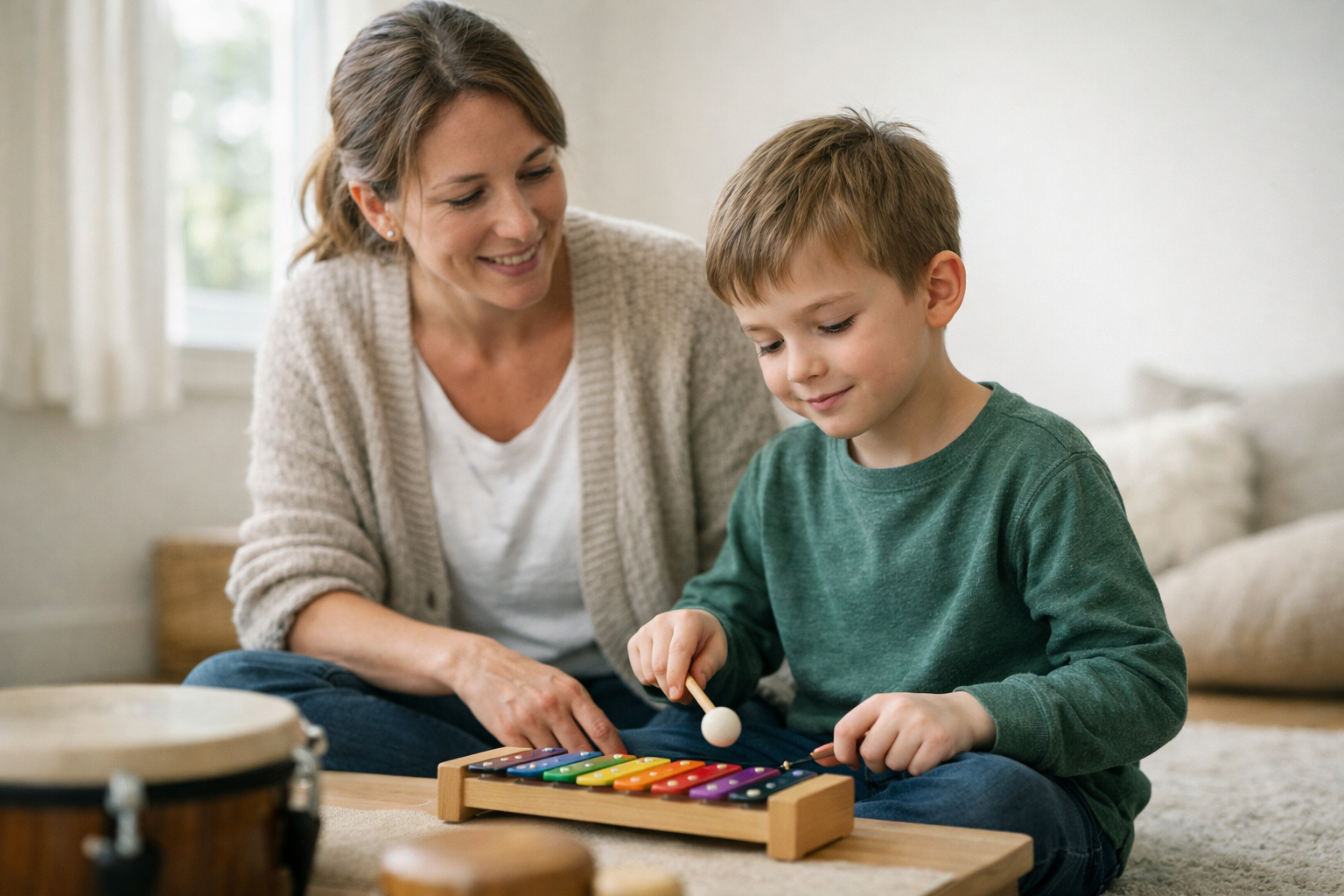
Therapist guiding a music therapy session

Why Music Therapy?

  • It is an inherently non-threatening and inviting medium – one to which people can easily relate
  • It can enable those with language difficulties to communicate, participate and express themselves non-verbally
  • It encourages appropriate social interaction with others
  • It is highly motivating though it can also have a calming and relaxing effect
  • It stimulates all of the senses therefore it can address several needs simultaneously
Group of people participating in a music therapy session playing guitars and singing

What Happens During a Session?

  • Singing improves communication, speech and language skills, articulation, breath control, and expressive and receptive language skills.
  • Instrument play increases gross and fine motor skills such as dexterity, coordination, range of motion, and strength as well as social skills such as active participation and interaction, self-esteem, and cooperation.
  • Rhythmic Movements and Dancing facilitates mobility, agility, balance, respiration patterns, muscular relaxation, spatial relationships, and endurance.
  • Improvising provides a creative and nonverbal means to express feelings. Through vocal, instrumental, and/or movement improvisation, one has the opportunity to make choices within a non-threatening and structured environment.
  • Composing develops cooperation, learning, and sharing ideas and experiences, and increases social skills.
  • Active Listening activities provide a stimulating way to develop cognitive skills such as memory, attention, and auditory perception skills.

Curious if music therapy can help?